

Ekopak Participates in Swiss–Bosnian Exchange of Experience on Waste Management
Sarajevo, 11 November 2026 – Ekopak participated in the “Municipal Waste Management: Swiss–Bosnian Exchange of Experience” event, held in Sarajevo and organised by the Institute for Development and European Integration (IREI) as part of the Bosnia and Herzegovina–Switzerland SDG Partnership project.
The event brought together representatives of local communities, institutions, public utility companies, the private sector, international organisations and civil society organisations.
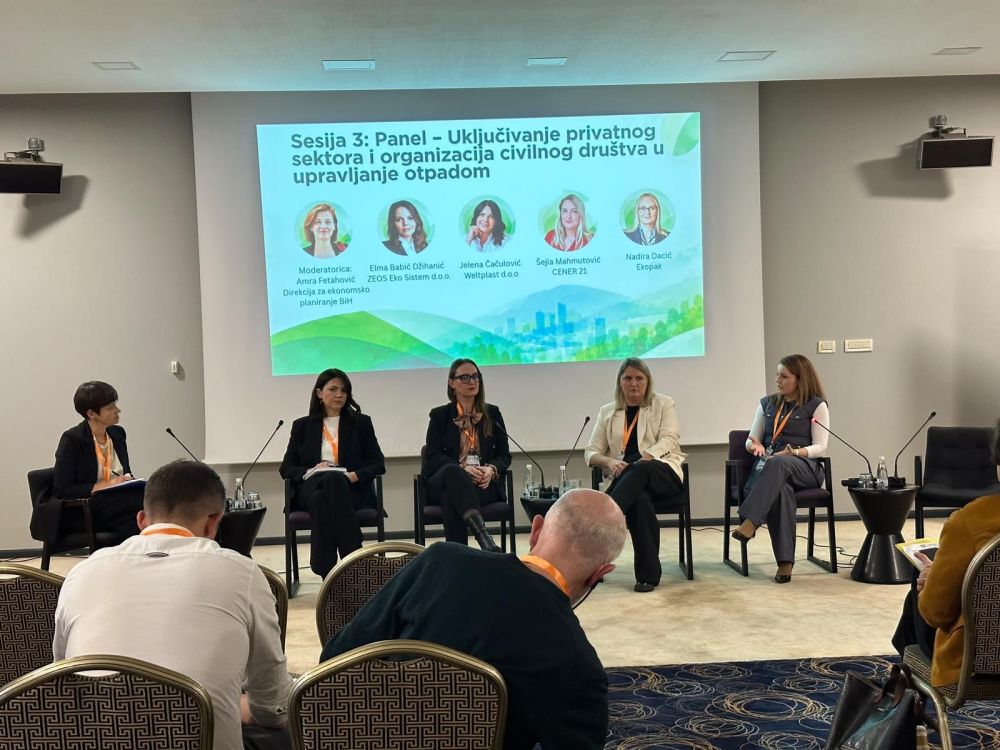
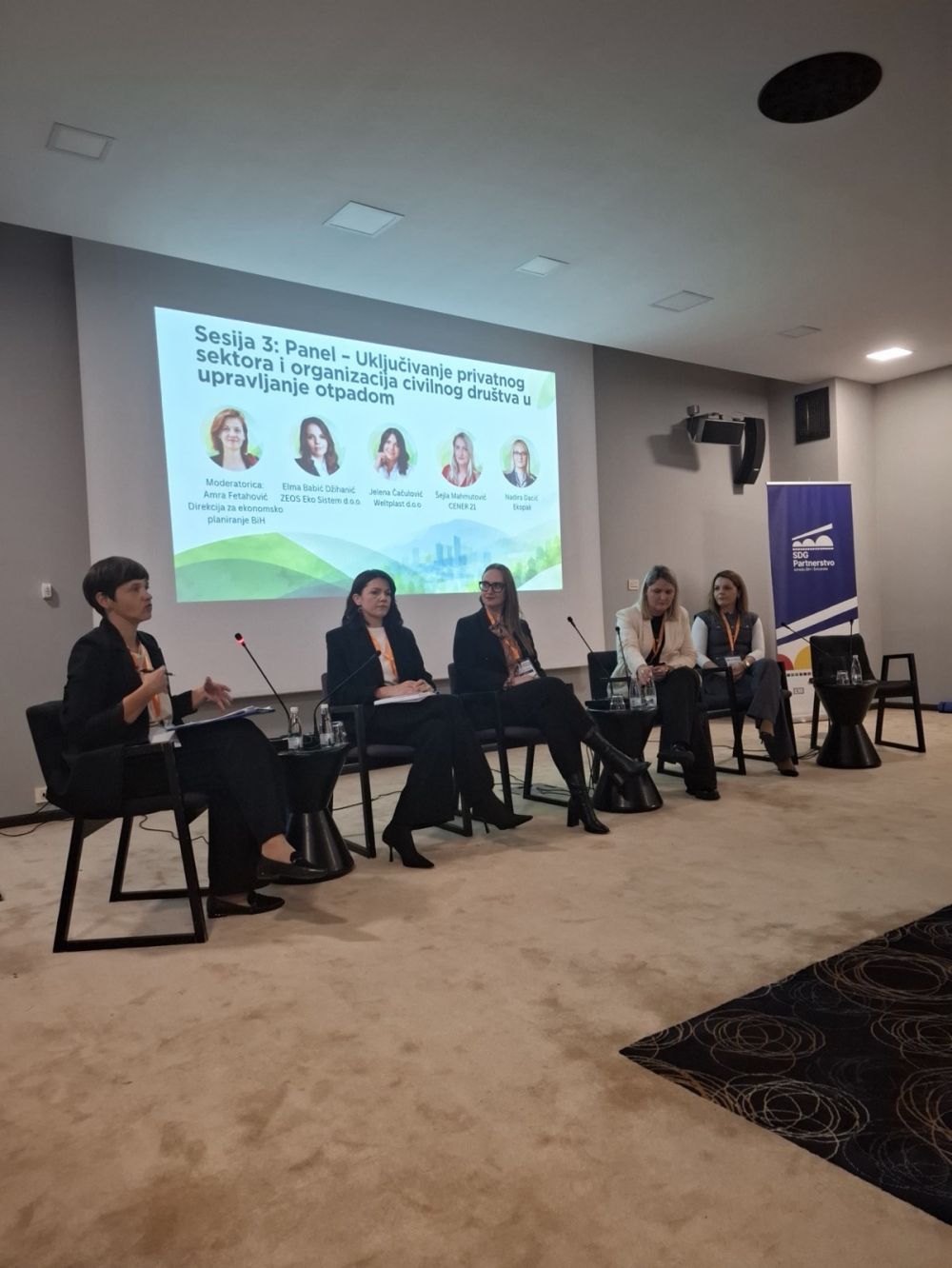
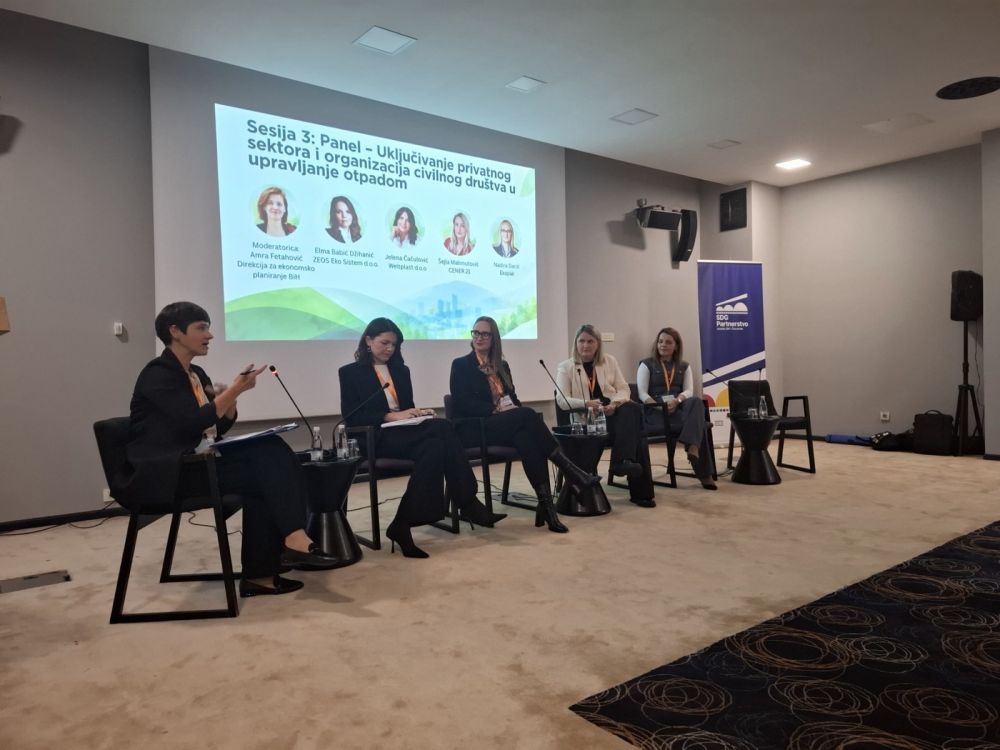
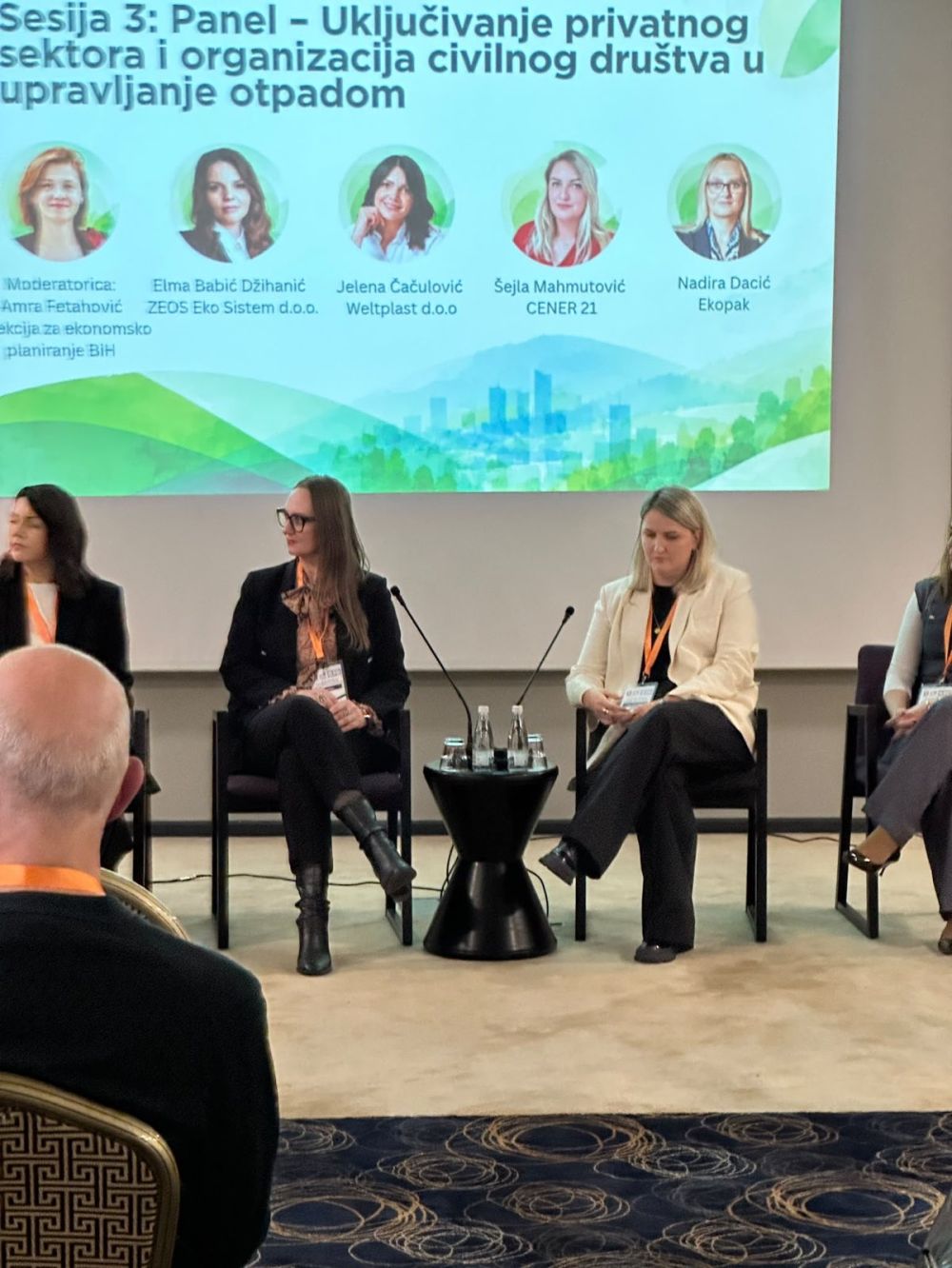
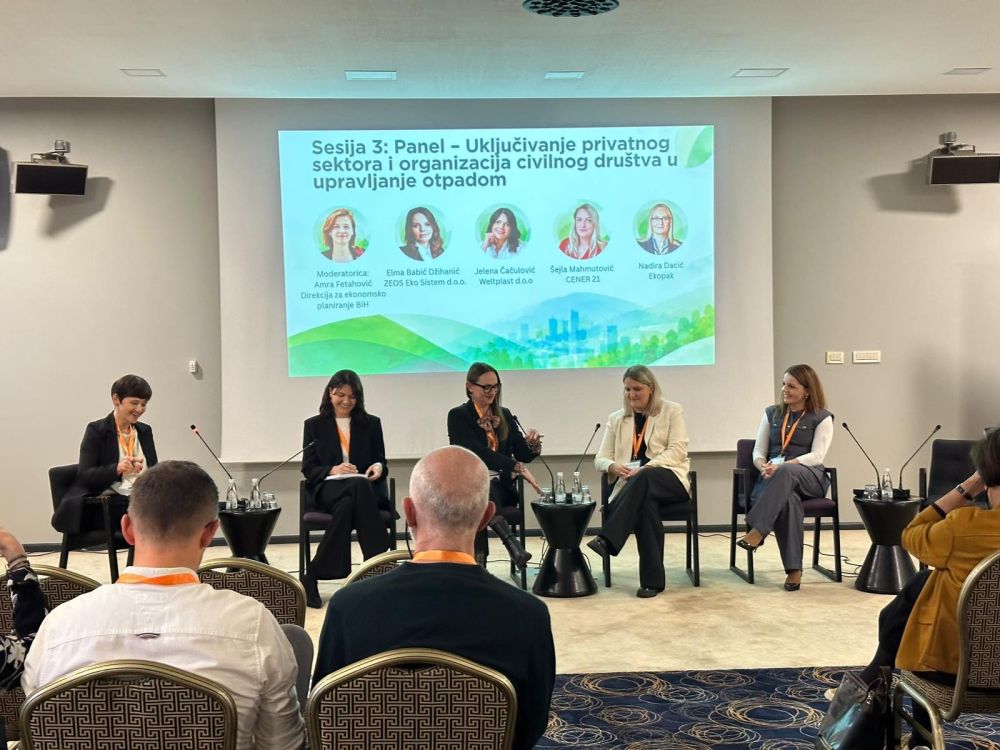
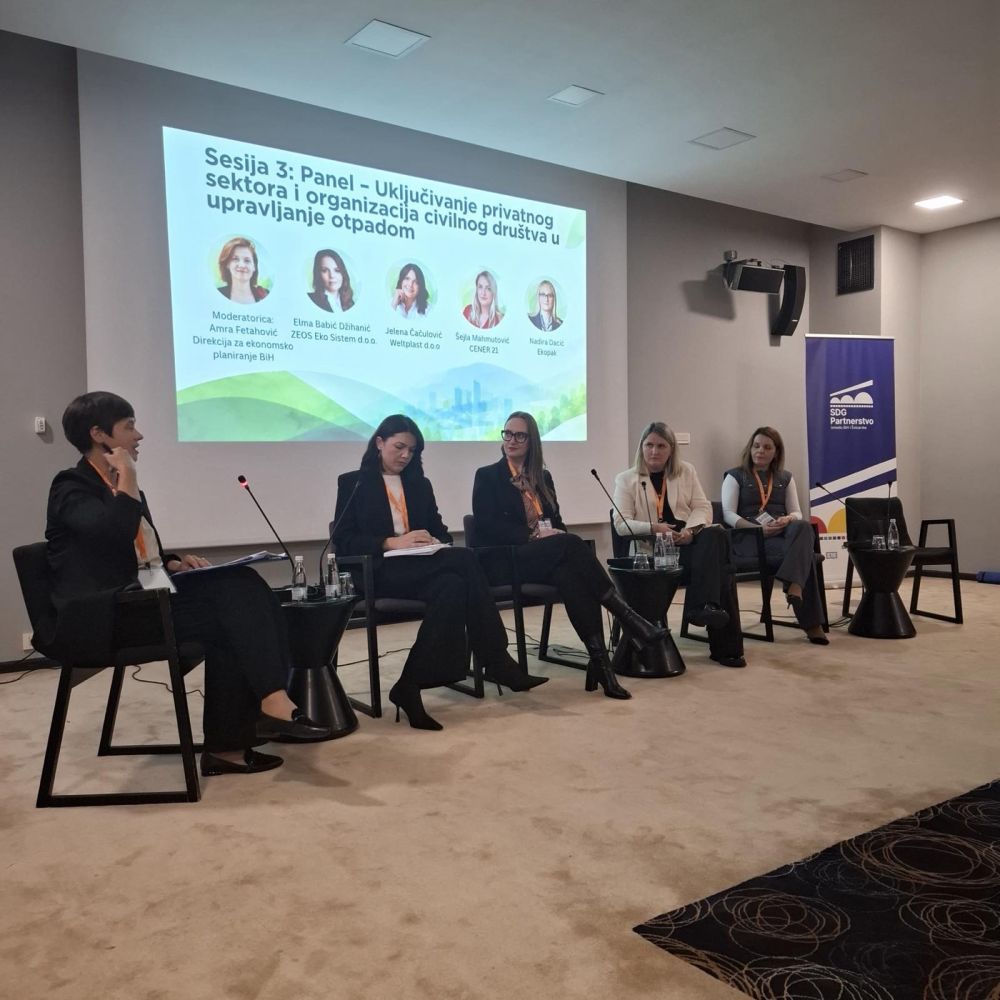
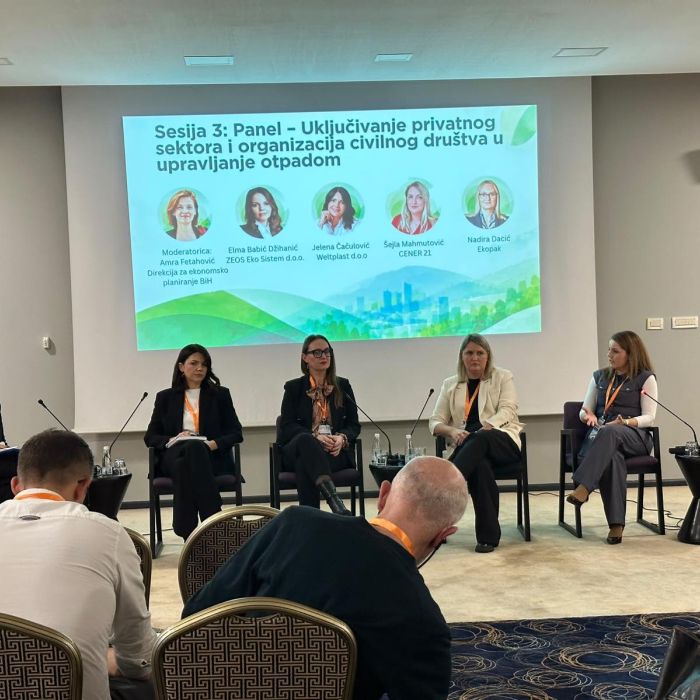
Ekopak representative Nadira Dacić, Project Assistant, participated in the panel “Engagement of Private Sector and CSOs in Waste Management”, where she discussed how the packaging and packaging waste management system is organised in Bosnia and Herzegovina, the role of system operators, and Ekopak’s experience in cooperating with companies that place packaged products on the market, public utility companies, waste collectors, recyclers, local communities and other institutions involved in the process.
Alongside Ekopak, the panel featured Elma Babić Džihanić, Assistant Director of ZEOS Eko Sistem; Jelena Čačulović, Executive Director of Weltplast; and Šejla Mahmutović, President of CENER 21.
The two-day event was dedicated to the exchange of experience between Bosnia and Herzegovina and Switzerland in the field of municipal waste management, with a particular focus on the development of collection and recycling infrastructure, institutional cooperation, the financial sustainability of the system and citizen engagement. Experiences from the Municipality of Bremgarten and the City of La Chaux-de-Fonds were presented in particular, giving participants insight into their waste management models, collection systems, cooperation among local communities and the development of recycling infrastructure.
Although Ekopak was presented within the private-sector segment of the programme, particular emphasis was placed on its non-profit approach, under which funds collected through the system are directed towards the development of the packaging waste collection and recycling system, cooperation with local communities and public utility companies, infrastructure development, and public education.
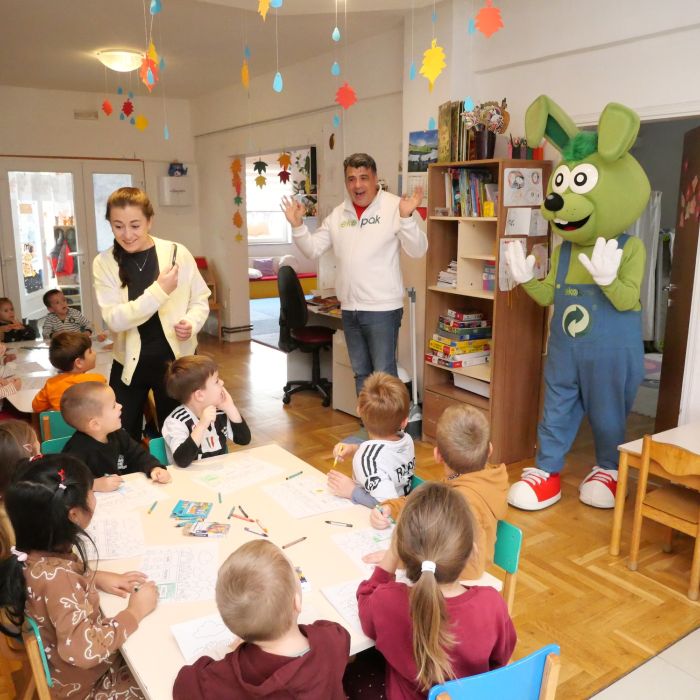
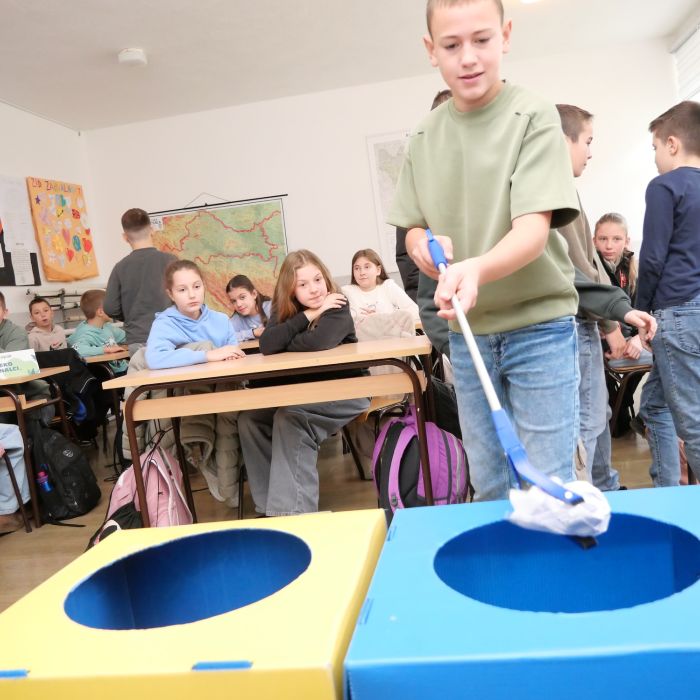
Particular emphasis was placed on the fact that system development involves much more than simply installing bins, containers and other infrastructure. Alongside infrastructure development, continuous education and public awareness activities are necessary to help citizens understand the importance of separating packaging waste from municipal waste and their role in increasing the quantities that can be collected and directed to recycling.
Cooperation among all participants in the chain was also recognised as equally important – from citizens and local communities to public utility companies and waste collectors, system operators, businesses, institutions and the recycling industry. Only by connecting all these stakeholders is it possible to develop a functional and sustainable system.
The exchange of experience with Swiss local communities provided an opportunity to learn about different institutional and operational models and to discuss solutions that, if adapted to local circumstances, could contribute to the further development of the waste management system and the circular economy in Bosnia and Herzegovina.