


Konjic Opens Its First Recycling Centre
Konjic, 23 September 2026 – A recycling centre was officially opened in Konjic today, marking an important step in the development of infrastructure for the separate collection and recycling of waste in this local community.
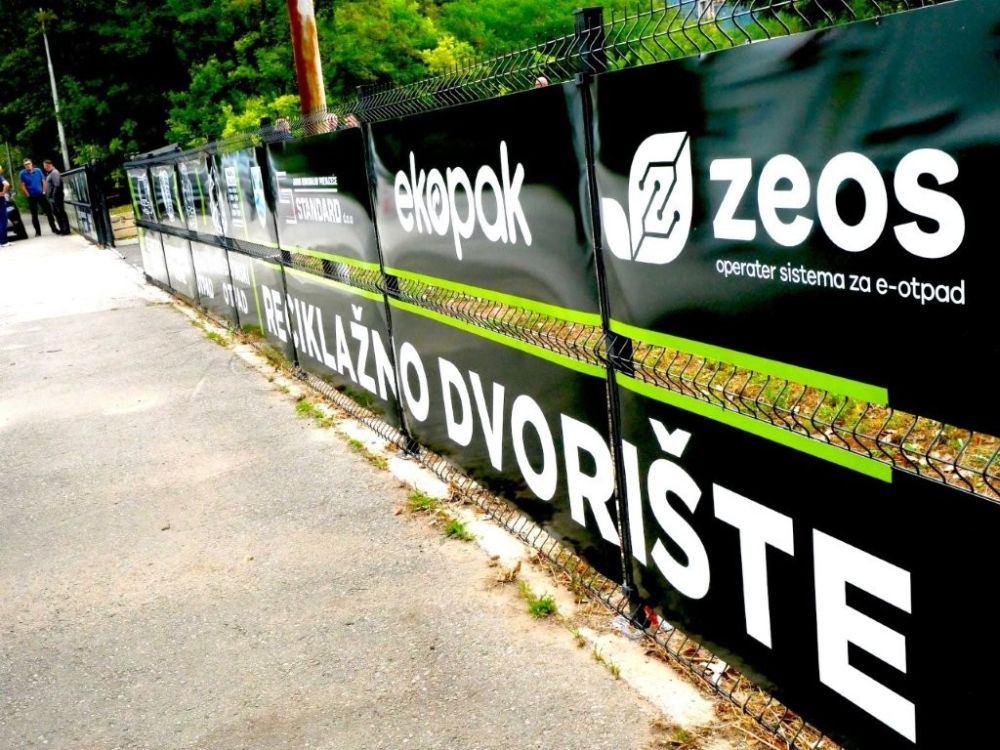
The project was implemented through joint cooperation and with the financial and technical support of the City of Konjic, the Federal Ministry of Environment and Tourism, and the system operators Ekopak and ZEOS, while the recycling centre will be managed by JKP Standard Konjic.
For Ekopak, this project represents a continuation of its long-standing activities focused on developing infrastructure that enables citizens to separate packaging waste from other municipal waste and dispose of it at designated collection points so that it can be directed to recycling.
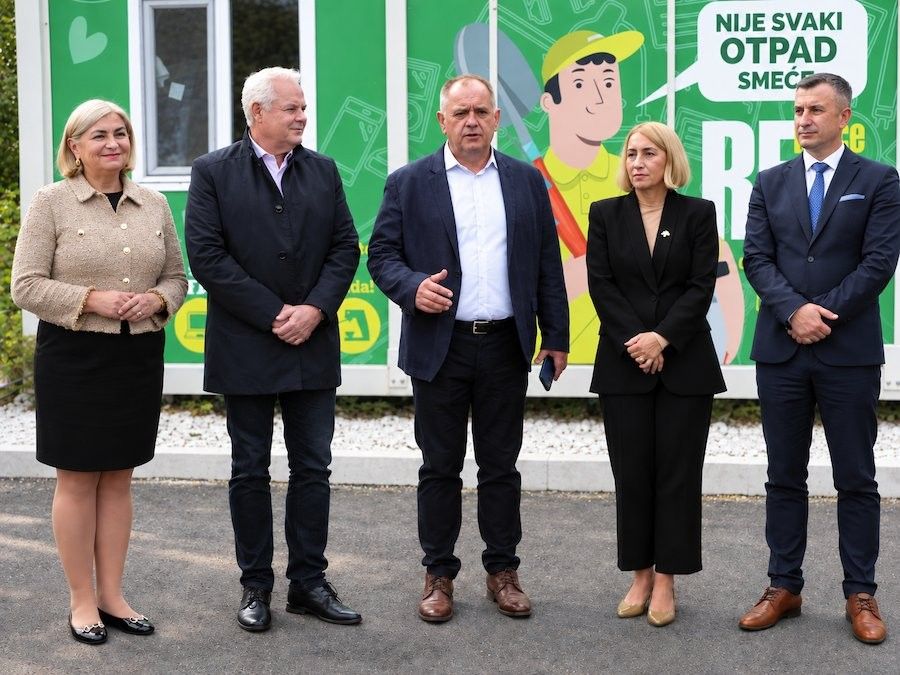
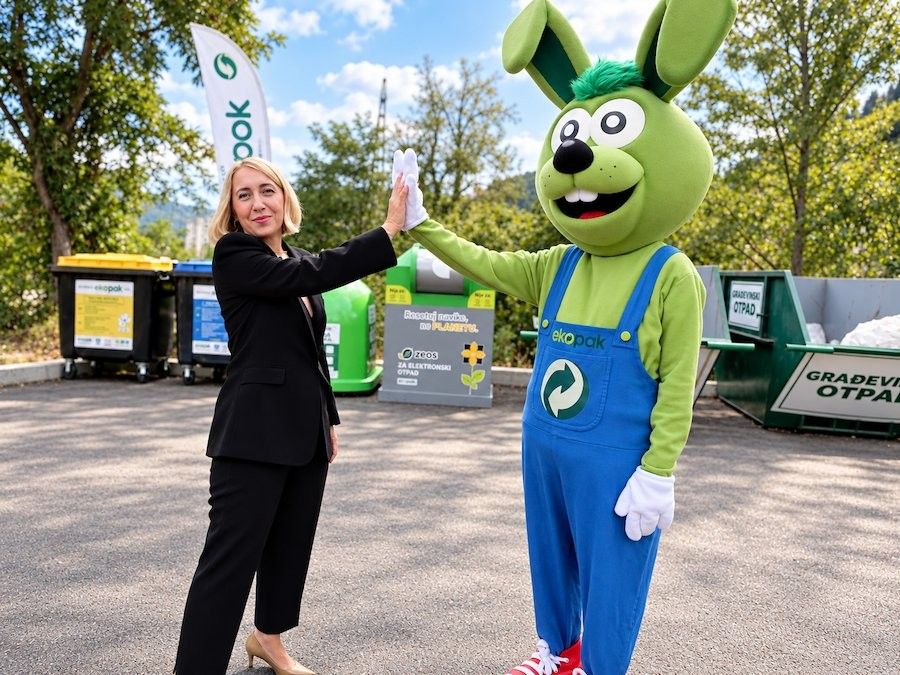
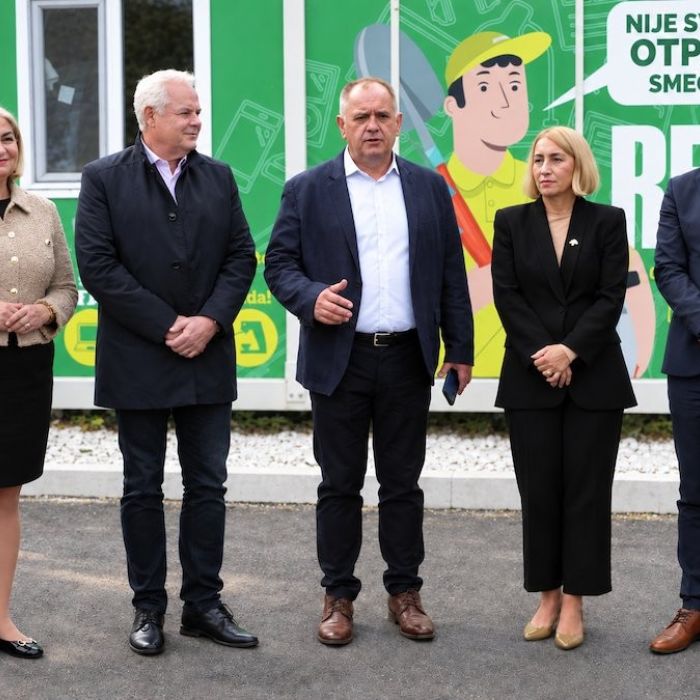
The opening ceremony was attended by Federal Minister of Environment and Tourism Nasiha Pozder, Mayor of Konjic Osman Ćatić, Ekopak Director Amela Hrbat, ZEOS Director Emil Šehić, ZEOS eko-sistem Executive Director Elma Babić-Džihanić, and JKP Standard Konjic Director Samir Memić.
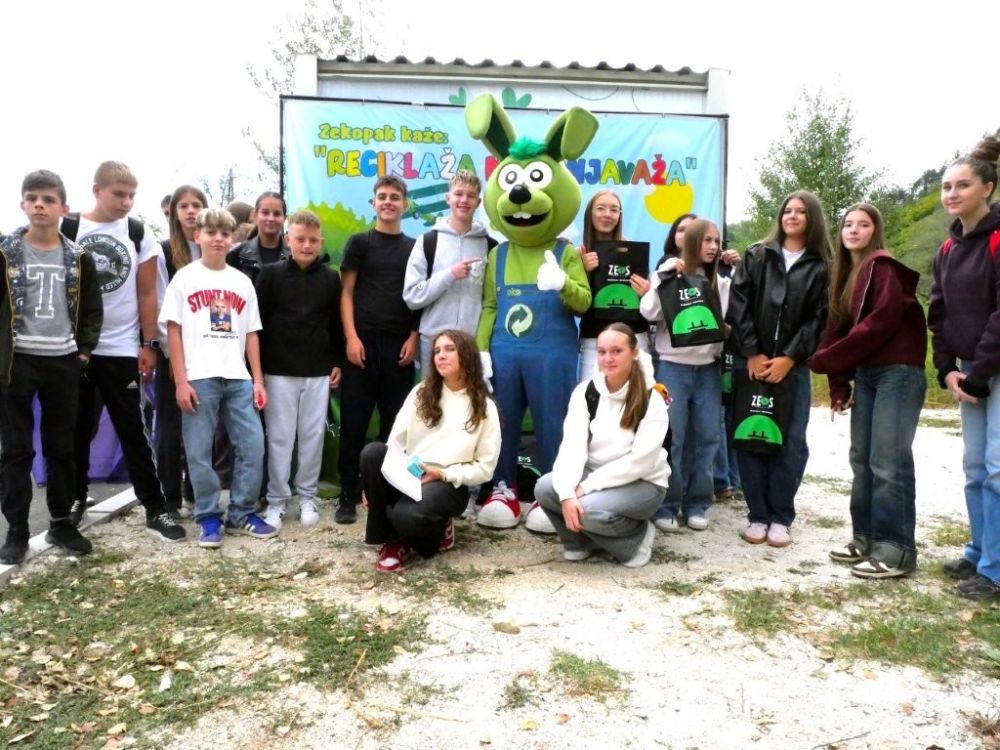
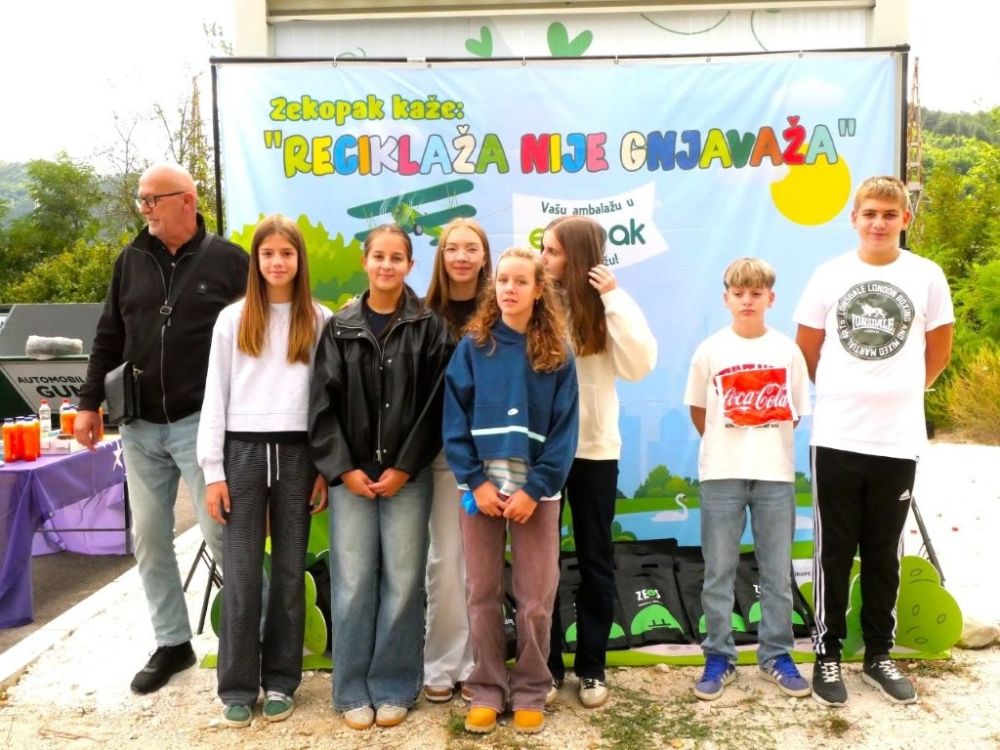
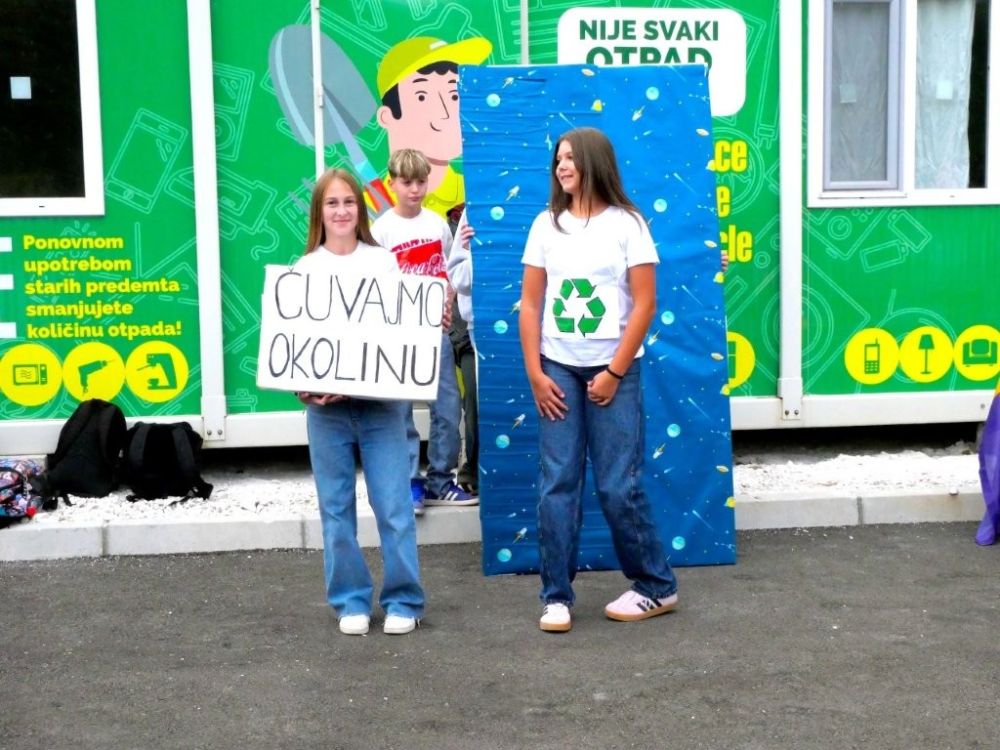
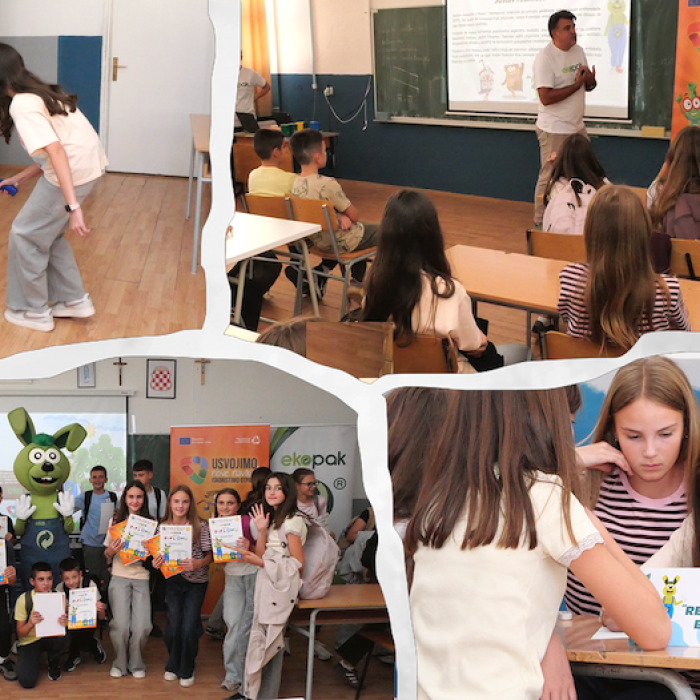
Members of the environmental club from Druga osnovna škola Konjic also made a special contribution to the opening programme by preparing a performance for the occasion. Their participation served as an additional reminder of the importance of educating children and young people, which, alongside infrastructure development, is one of the key prerequisites for establishing habits of separate waste collection and recycling.
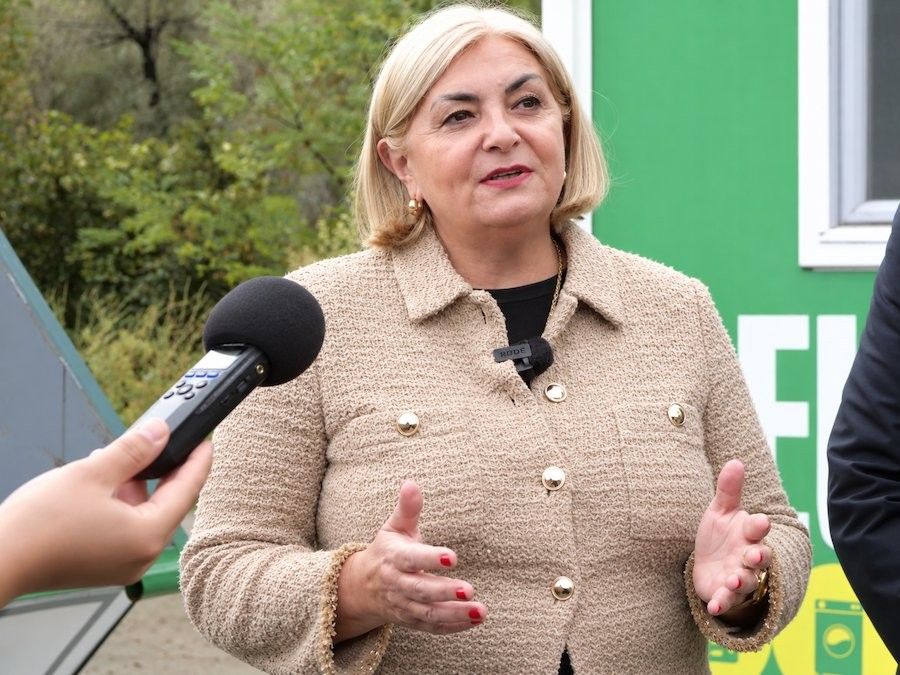
“The establishment of this recycling centre demonstrates the importance of cooperation between the local community, competent institutions, the public utility company, and system operators. Our goal is to provide citizens with infrastructure that enables them to properly separate and dispose of packaging waste and then, through the Ekopak system, direct it to recycling. It is particularly important to us that projects like this take root in local communities and become part of citizens’ everyday habits,” said Amela Hrbat, Director of Ekopak.
Federal Minister of Environment and Tourism Nasiha Pozder also highlighted the importance of cooperation among all those involved in the project:
“This is an example of cooperation in which everyone has been involved and made a contribution – the Federation of Bosnia and Herzegovina, the City of Konjic, and the system operators. These are precisely the types of projects we want to develop throughout the Federation of Bosnia and Herzegovina. A recycling centre is not only about environmental protection. It is part of the broader concept of a circular economy, in which waste is no longer seen merely as a problem but as a resource that can be reused and returned to the economy,” said Minister Pozder.
The significance of the project is further underlined by the fact that the new Federal Waste Management Plan sets a target for every local community in the Federation of Bosnia and Herzegovina to have at least one recycling centre, providing accessible infrastructure that enables citizens to separate and dispose of waste appropriately.
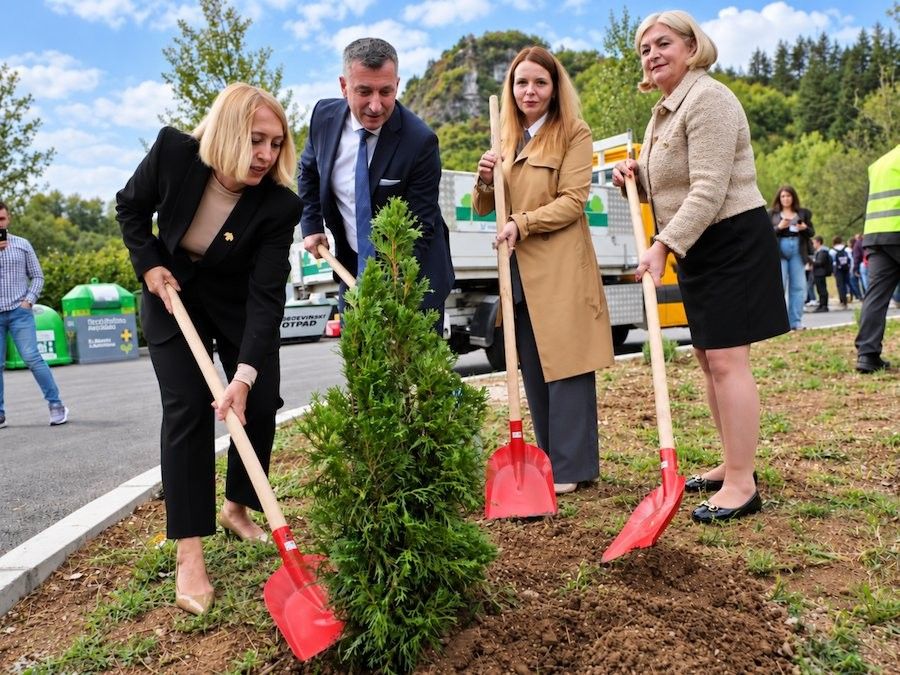
At the end of the event, Minister Pozder, Mayor Ćatić, Ekopak Director Hrbat, and ZEOS eko-sistem Executive Director Babić-Džihanić joined the pupils in planting thuja trees along the fence of the recycling centre, symbolically marking the beginning of its operation.
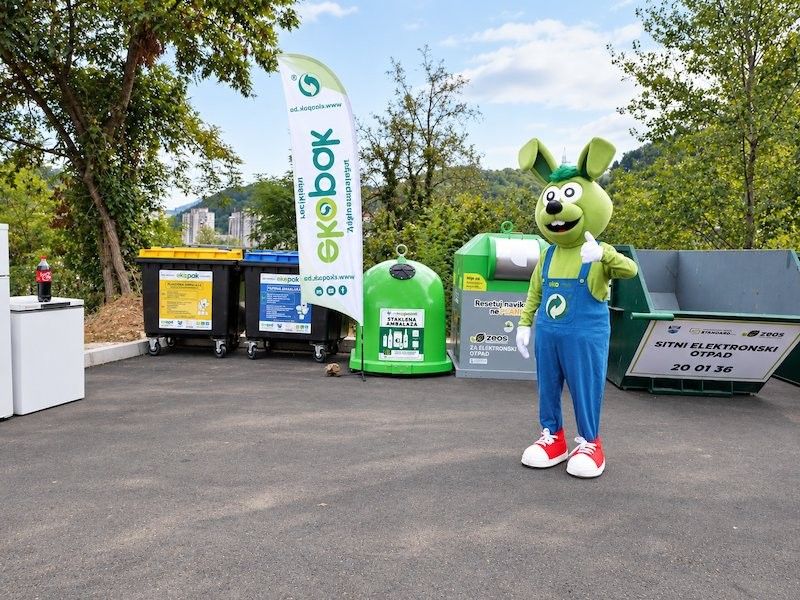
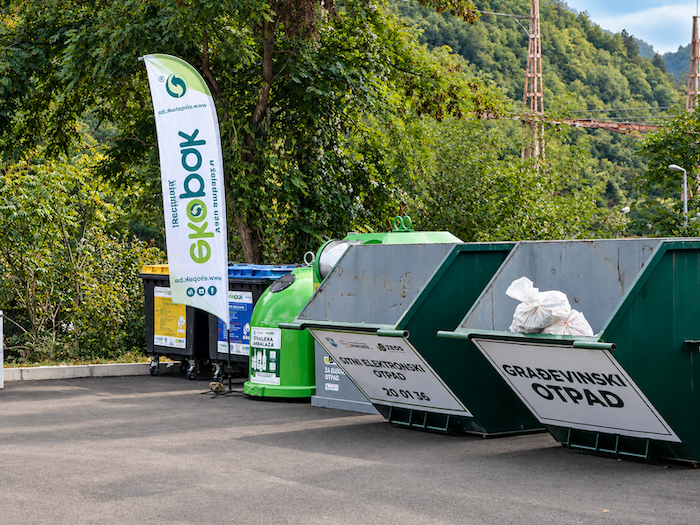
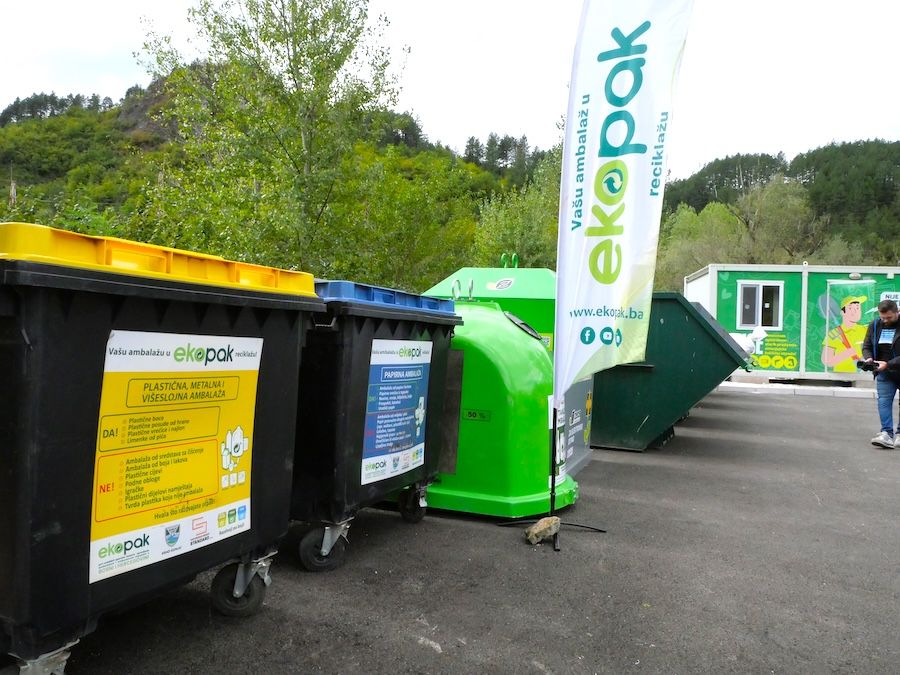
The new recycling centre is located in Drecelj, where residents of Konjic will be able to dispose of various types of household waste free of charge, including bulky waste, electronic waste, and packaging waste. The collected waste will be sorted and subsequently directed to processing and recycling.
With the opening of the recycling centre, the residents of Konjic now have dedicated infrastructure that enables them to properly separate and dispose of different types of waste in one location. Ekopak, meanwhile, continues its cooperation with local communities and public utility companies on the development of the separate packaging waste collection system and on creating the conditions for increasing quantities of packaging waste to be separated from municipal waste and directed to recycling.